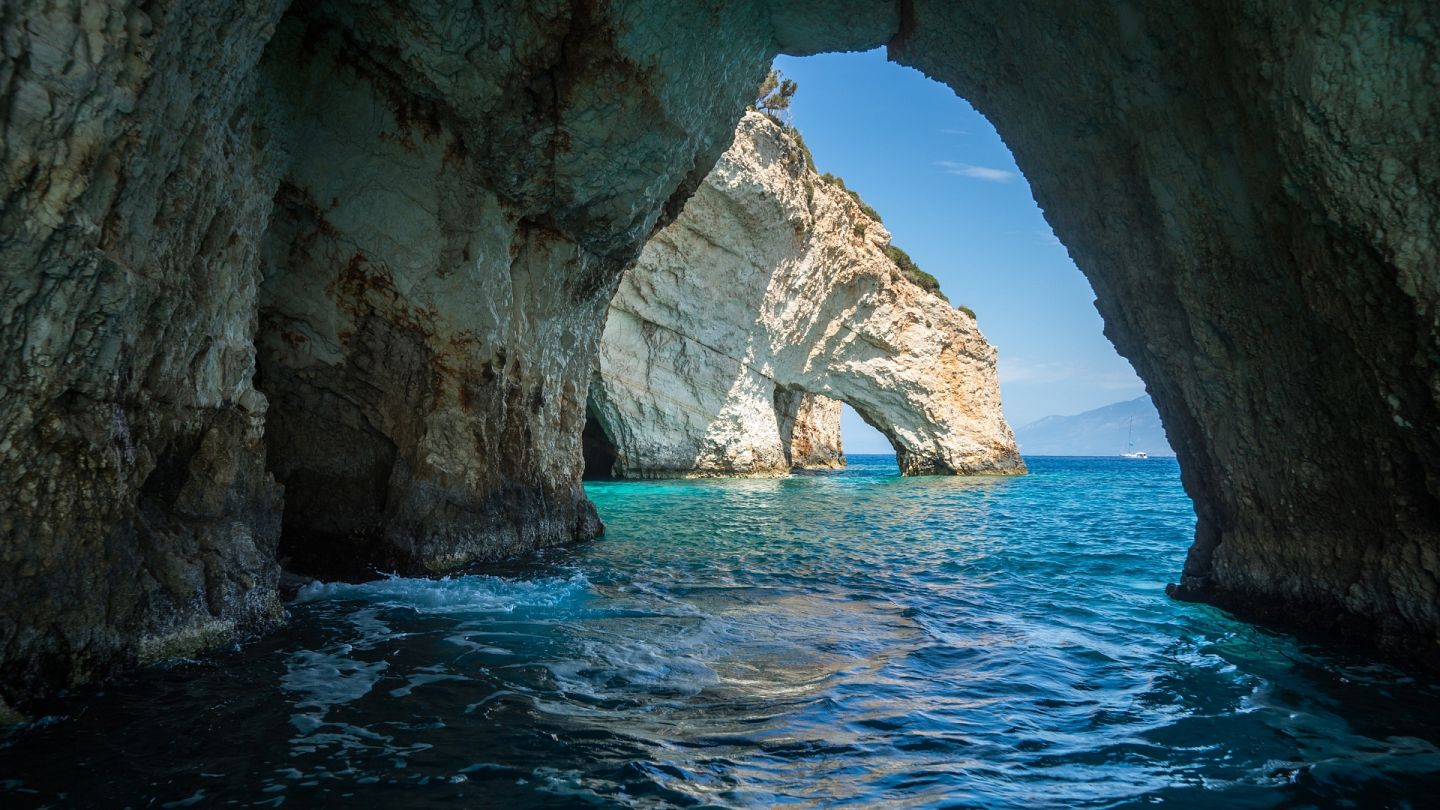
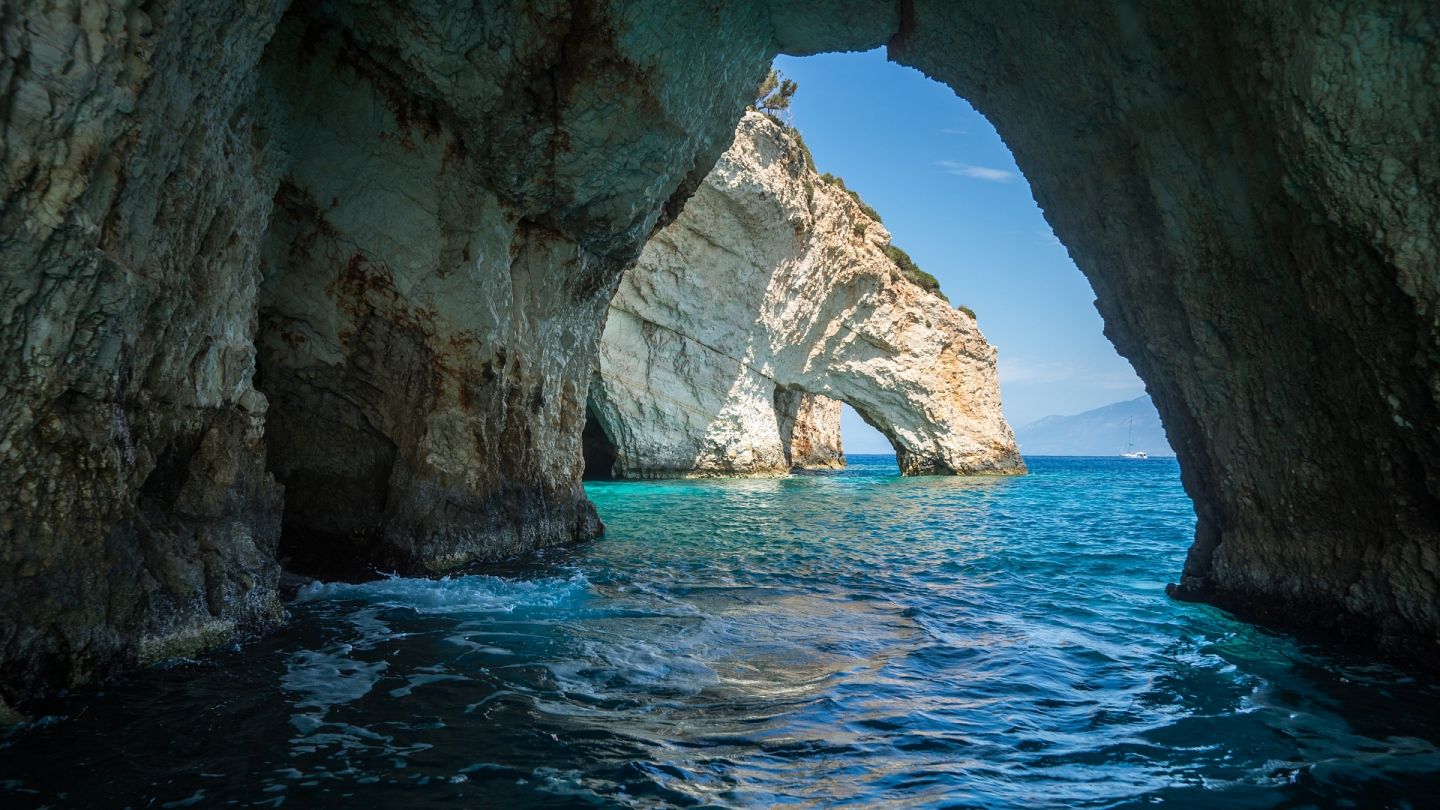
Crete, the largest island in Greece, offers far more than sun-drenched beaches and seaside villages. Beneath its rugged terrain and above its turquoise shores lie secrets rooted in centuries-old beliefs and breathtaking natural formations. From the legendary birthplace of Zeus to Byzantine-era hermitages, Crete’s spiritual history is etched into its mountains and hidden within its caves.
For travelers curious to go beyond the standard itineraries, they should consider companies that provide a unique take on travel itinerary. Travelodeal is one of the amazing websites that offers a curated selection of Crete all inclusive holidays that tap into the island’s lesser-known cultural and spiritual sites. These itineraries allow explorers to step away from the coastline and journey into Crete’s mysterious interior — a place of legend, reverence, and enduring tradition.
Unlike many destinations often synonymous with resort-style relaxation, Crete is a key component of more immersive experiences found on cheap holidays to Greece, where the terrain itself tells stories. Whether you’re drawn by myth or monastic history, a Crete holiday promises a landscape layered with sacred places and ancient lore — much of which still quietly lives in its cave churches and mountain paths.
Churches in Stone: Faith Carved by Hand and Nature
Scattered throughout Crete’s remote highlands and deep gorges are cave churches that have withstood centuries of change and upheaval. These sacred sites, often humble in appearance, are carved into the earth — small chapels tucked inside natural grottos or shaped within rock faces. Many were founded by early Christian hermits seeking isolation and spiritual connection through nature.
Notable among these is the Cave Church of Saint John the Hermit in Marathokefala. Located in a dramatic limestone cavern, the site is both a place of pilgrimage and a preserved fragment of monastic history. Similarly, the Panagia Arkoudiotissa, hidden in the Bear Cave near Akrotiri, is named after a stalagmite resembling a bear — a symbol that predates Christianity and hints at the region’s spiritual syncretism.
These churches are not grand or elaborate. They’re often small, marked only by a cross or weathered icon at the entrance, and filled with the scent of beeswax and incense. But their simplicity adds to their spiritual depth. Their purpose was always more contemplative than ceremonial — designed for private prayer, reflection, and sanctuary.
The Mountains of Myth
Beyond their religious significance, Crete’s mountains are steeped in mythology. According to Greek legend, Zeus was born in a cave on Mount Dikti or Mount Ida, both of which are still visited today. The Ideon Cave, nestled in the Psiloritis mountain range, was considered a sacred site in Minoan times and remains a symbol of divine origin.
Many mountain villages, particularly in central and eastern Crete, are known not just for their scenic views, but for the folklore passed down through generations. Locals speak of guardian spirits, protective saints, and unexplained phenomena tied to ancient paths and cave shrines. These stories blur the lines between faith and fable, giving the region its distinctive mystique.
Even today, festivals and religious rituals are held at some of these mountaintop sites, preserving a deep connection between the island’s people and its land. In many places, myths live on as oral traditions, binding communities together through shared belief and storytelling.
Conclusion
Crete’s cave churches and mythical highlands offer travelers an extraordinary way to explore history, faith, and folklore in one journey. These places, far from the island’s bustling tourist centers, invite quiet reflection and deeper understanding of Crete’s cultural roots.
For those looking to experience a side of the island beyond its beaches, the caves and mountains reveal Crete’s most timeless stories — written not in books, but in stone. Embark your unique journey to know the hidden aspect of Greek mythology in Crete. It will be an unforgettable journey to ancient folklore, myths and culture of Greece.