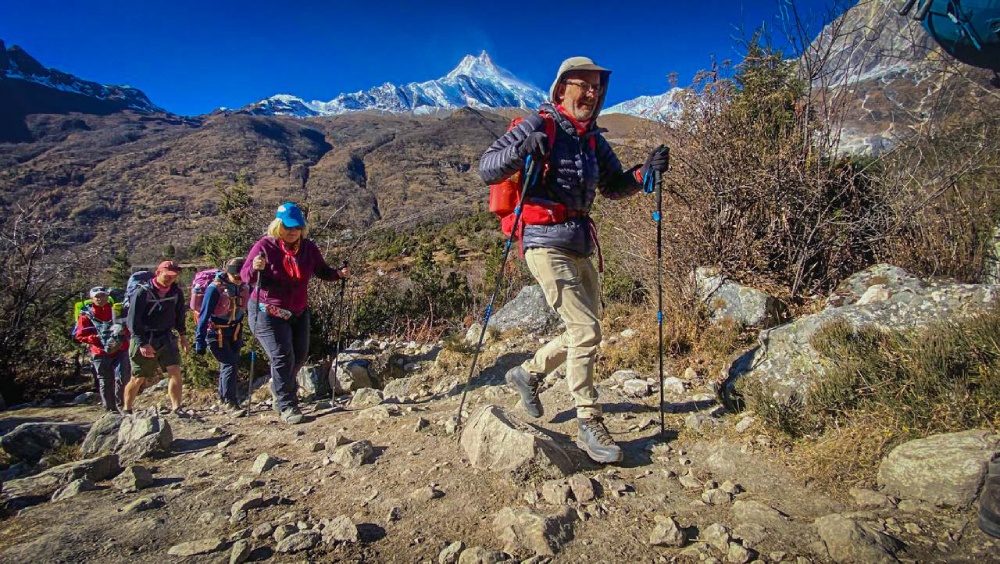
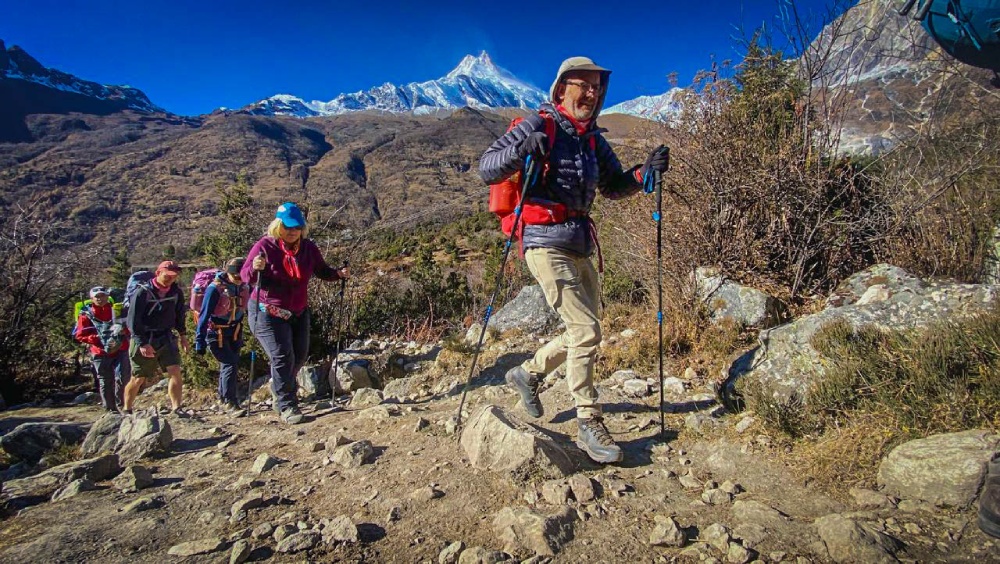
All of the above are in a balance to accomplish it, and all revolve around one major factor in the Everest Base Camp trek: acclimatization. The No. 1 hazard for all hikers, regardless of physical condition, is altitude sickness. Continued understanding of what the warning signs of a heart attack are, and more importantly, what to do to minimize the symptoms, is a critical element of education. Inside, you’ll find the knowledge and tips you need to help condition your body to the thin, uphill air and make your high altitude traipsing a successful and rewarding venture.
The technological know-how at the back of Altitude illness
The greater you ascend for the duration of the Everest Base Camp Trek, the thinner the air will become, and there’s less available oxygen in each breath. Your frame has to evolve to this transition via growing more crimson blood cells, among other physiological shifts. If this happens too rapidly, you will develop Acute Mountain Sickness (AMS). Mild symptoms can include a headache, nausea, appetite loss and dizziness, and fatigue. They are usually workable, but they are a warning sign. If long past unaddressed, AMS can grow to be a more extreme — doubtlessly life-threatening– situation, such as excessive Altitude Pulmonary Edema (HAPE), wherein liquid builds up in the lungs, or excessive Altitude Cerebral Edema (HACE), which involves brain swelling.
Golden Rule: Climb high, Sleep Low: university and Sleep Deprivation
“Make the best and most frequently used method your friend: ‘Climb high, sleep low.'” Meaning, you hike up during the day and down for bedtime. It puts the body in thinner air, which encourages the body to produce more red blood cells, but also between recovery at a more oxygenated elevation. A classic Everest Base Camp trekking schedule takes into account this principle and schedules full body acclimatization days at low elevations, and will allow your body to properly react to the altitude following a gradual process that helps to reduce the risk of mountain sickness.
Acclimatization Day One: Namche Bazaar
You can do a lot of your acclimatization for your Everest Base Camp Tour on your first serious acclimatization day, and the market town of Namche Bazaar (3,440 meters above sea level) is quite lively. It is an active rest day, not a day off. Your guide will lead you on a day hike to an even higher vantage point, typically the Everest View Hotel, at 3,880 meters. This is a short, hard climb which will take your body, and hopefully your spirit, on your way out, to a high altitude, de decompressed hike before making camp back down in the relative low of Namche for the night. This will help your body gradually acclimatize to the thinner air to come as you head to higher elevations over the next several days.
Acclimatization Day Two: Dingboche
After several days’ trek, you will arrive at the village of Dingboche (4,410 meters). This is your second and THE most important acclimatization ride. On this day, you will be up high again and then sleep low. Another acclimatisation walk loved by all is up the ridge that directly overlooks the village, past Nangkartshang Peak at over 5,000m and with 360 degree views that make the slog up worth it enough on its own, but also provides the acclimatisation benefit of seeing how you fare at 5545m from where you also have the altitude you’ll need to cope with to approach Base Camp of Everest and see the highest mountain on Earth for the first time. Downhill to Dingboche if Dingboche.
The Inside Acclimation: Your Body Hydrated and Fueled for Altitude
What you consume is half the battle, as important as how fast you run. Staying properly hydrated is non-negotiable. Now add to that the cold, dry air of mountain weather, the physical exercise, which will cause your body to lose water more quickly than it normally might. THE SYMPTOMS OF DEHYDRATION CAN BECOME EXACERBATED AT ALTITUDE. And definitely do be sure to drink 3-4 liters of water a day, plus you might want to bring along some water purification tablets or a filter. Don’t drink alcohol or caffeinated drinks, which can cause dehydration. In addition, a high-carb diet provides your body with an energy boost, the Achilles’ heel to improve at high altitudes. Dishes such as dhal bhat are fantastic and provide a hearty and energising dinner.
The Role of Medication: Diamox
Prophylactic drug: Many trekkers take Acetazolamide (Diamox) for Acclimatization. Diamox does that by prompting your lungs to breathe quickly and your body to produce more bicarbonate, retaining a balanced pH. It’s no therapy for altitude illness; however, it may pace acclimation and blunt signs and symptoms. Very sound advice would be to check with your doctor before your trek, discuss with Diamox and the prescription for Diamox, as it does have side effects. Never rely exclusively on drugs; drugs can help you, but in combination with necessary acclimatization.
Be In Tune With Your Body And Your Cautionary Companion
The number one rule on the Everest Base Camp Trek is to listen to your body. It is essential not to “tough it out” with altitude sickness. If you feel a headache, nausea, or any one of a number of other symptoms, stop, rest, and let it be known to your guide immediately. In times like these, your guide is your best friend. They are trained to recognize the symptoms and would have a plan for a rapid descent that could aid in an emergency when the symptoms appear, if needed. Never fake what you are feeling to your trekking buddies or guide; it’s potentially deadly. The mountain will be there, and you are what matters.
A Concluding Thought on Acclimatization
The pace of the journey to the EBC Trek is slow and steady, and can’t be rushed. But if you plan well, have a good itinerary, don´t skip the water and the food, pay attention to what your body is trying to communicate to you… Then it will be both possible and very, very nice. Embrace the “climb high, sleep low” idea and learn about the altitude, and you’ll not only have the best time of your life, but you’ll delight ieveryry one of the spectacular steps of this once-in-a-lifetime adventure.