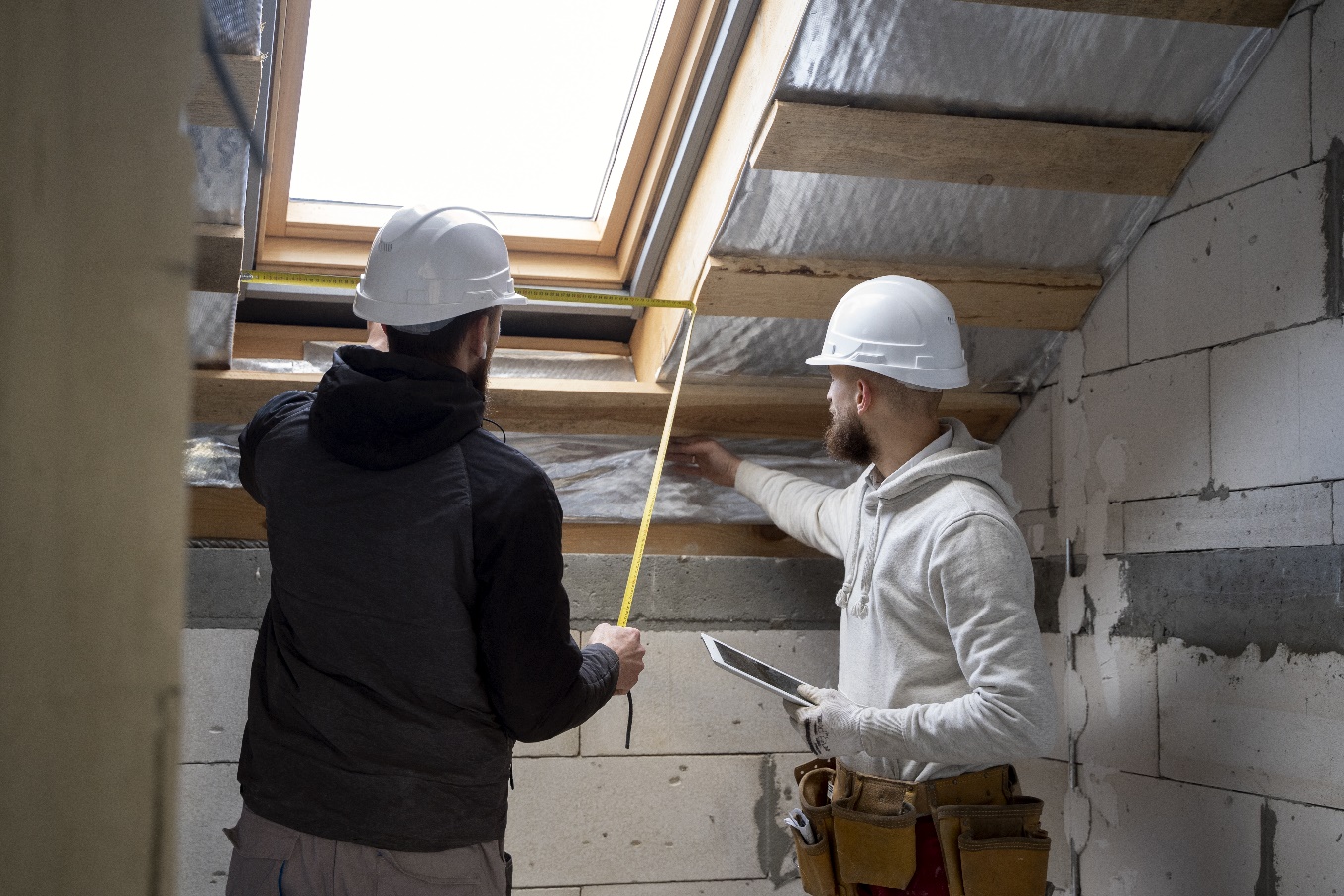
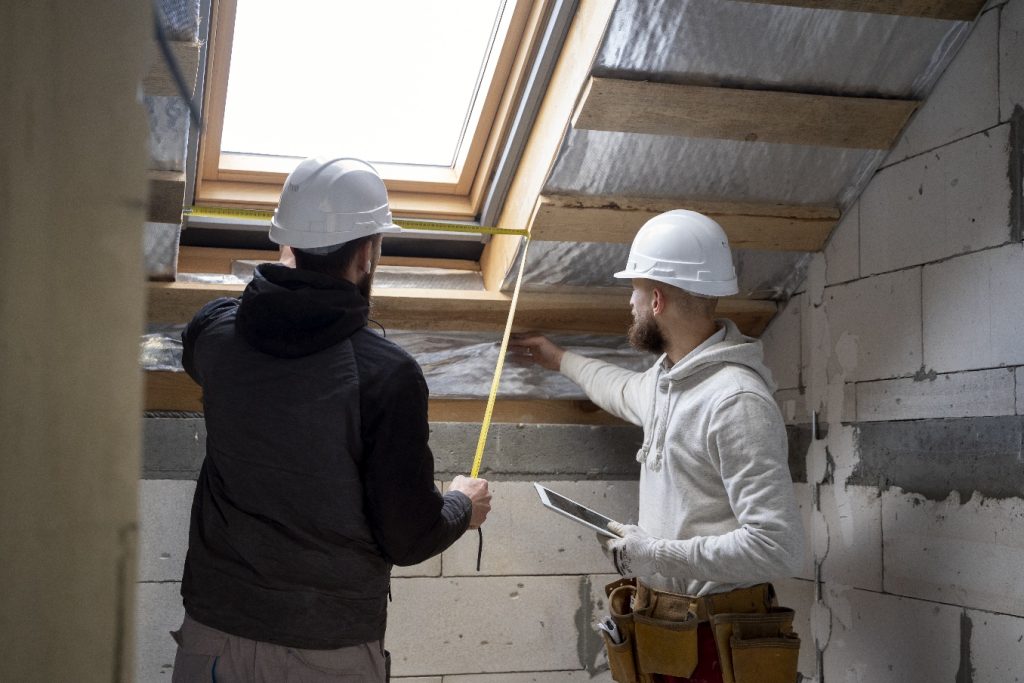
Xponexus Engineering is an international engineering consulting and outsourcing company that is regarded as having a high quality of provision of civil, structural and design services to international clients. The company functions as a branch of in-house teams, providing scalable quality engineering services without the unfavorable load of local staffing. Its service model is based on flexibility and technical accuracy, as well as smooth integration of the workflow. In the context, remote engineering service has become a solution of great necessity to companies that have identified efficiency and survival. With the reduction in the time of project completion and the widening of the talent gap, the discourse on remote engineering support and engineering on-site has become more topical among decision-makers.
The Development of the Models of Engineering Delivery.
With the development of collaboration tools and secure digital infrastructure, engineering delivery has undergone a major change. Companies no longer have to worry about boundaries when finding talent, which results in the emergence of remote engineering support as a popular paradigm. By doing this, engineering teams would be able to work during different time zones without compromising accuracy and compliance. In contrast to the conventional methods, the discussion about remote engineering assistance compared to on-site engineering shows that now the virtual teams can become equal, and even surpass on-site productivity. Such a change is indicative of a wider industry trend toward nimble, distributed engineering ecosystems.
Benefits of Remote Cooperation in Operational Performance.
The advantage of remote engineering support in operational efficiency is one of its strongest. The engineering firms are able to access experienced professionals without the cost of recruiting, infrastructural facilities, and long-term employment. Parallel workflows and longer working hours are an advantage to the projects in terms of quicker turnaround. In the comparative analysis of remote engineering support and on-site engineering, organizations tend to discover that a remote workforce saves overhead and does not compromise on technical standards. Scaling is also quick and is aided by this model so that the firm can build and downsize the team according to the demand of the project without interfering with the internal processes.
Quality Control and Technical Integration.
The quality issues are usually raised when the remote engineering support vs on-site engineering, but contemporary procedures have solved these problems successfully. Remote working teams operate under specific standards and a common software environment, and rigorous review procedures. BIM, CAD and project management advanced tools provide the transparency and traceability throughout the stages. Remote engineering support is part of client systems and allows immediate cooperation and stable output. Consequently, accuracy in engineering, quality of documentation, and compliance are not compromised even during cross-continent operation of teams.
Economically without jeopardizing professionalism.
Economical sustainability is also a significant factor in the selection of models of delivery. Remote engineering assistance is a cheaper alternative, which removes the charges of office room, local wages, and administrative overheads. Remote models are always cost-effective in comparison to on-site models of engineering assistance, and there is always access to specialized skills. Budgets in engineering companies would be more strategic with funding in innovation and customer development instead of operation expenses. This combination of low costs and professionalism enhances the competitive advantage in the long term.
Scalability and Business Resiliency in the Long-term.
Workloads in engineering change depending on the market requirements; hence, scalability is necessary. Remote engineering support enables the firms to react to emerging opportunities or high workloads in a short time instead of facing long hiring processes. The issue of scalability in the context of remote engineering support versus on-site engineering comes out as a determining factor in sustainable growth. Remote models are also resilient to economic changes, so that projects are not affected. This flexibility allows the engineering companies to continue with services and, at the same time, match the resources with the project requirements.
Conclusion
The future of engineering is in the intermodal, cross-border partnerships that are more efficient and professional. Remote engineering support is not a choice anymore, but one of the strategic benefits of companies that want to be agile and competitive. In the comparison between remote engineering support and on-site engineering, long-term gains of flexibility, cost-saving, and access to global talent are evident. With the changing nature of industries, firms that embrace adoptive engineering models stand in the position of surviving success. Caution is even offered by brands beyond the engineering industry, like xponexusengineering.com, where excellence can be enhanced through strategic outsourcing and concentrated operations.