
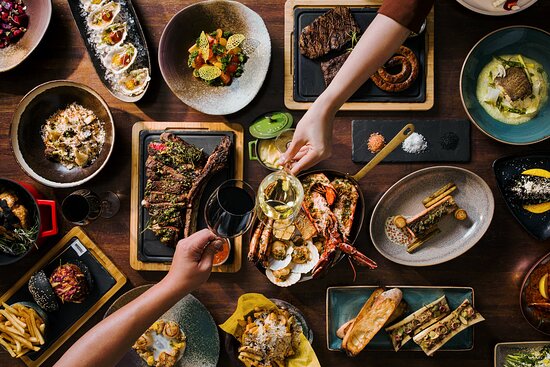
In the fast-paced world of consumer goods, visuals play a critical role in influencing purchasing decisions. Packaging is no longer just functional; it is a powerful marketing tool that communicates brand identity, quality, and taste. Traditional methods of creating packaging visuals, however, often involve costly photoshoots, multiple iterations, and extensive post-production work. ai food images are transforming this process, providing brands with high-quality, customizable visuals in a fraction of the time and cost.
Recent data shows that products with appealing visuals on packaging experience up to 30% higher consumer engagement. AI food imagery enables marketers to produce these visuals rapidly, maintaining consistency across multiple products and campaigns. This shift not only accelerates time-to-market but also ensures that brands can experiment with different designs and concepts without significant financial risk.
Can AI Food Images Improve Advertising Efficiency?
Advertising campaigns rely heavily on eye-catching visuals to attract attention in crowded marketplaces. AI food images allow brands to create a wide variety of visuals without the logistical challenges of coordinating multiple photoshoots or sourcing rare ingredients. A survey of digital marketers revealed that campaigns using AI-generated visuals achieved a 25% faster content production cycle compared to traditional methods.
Moreover, AI tools allow for precise control over style, lighting, and composition. This flexibility enables brands to adapt visuals to specific advertising channels—social media, digital banners, email campaigns, or point-of-sale materials—ensuring that every touchpoint resonates with the target audience. By reducing reliance on manual photography, AI food images help marketing teams focus more on strategy, messaging, and audience engagement.
What Does Data Say About Cost Savings With AI Visuals?
Cost efficiency is one of the most compelling benefits of AI-generated food imagery. Traditional food photography can cost thousands of dollars per product, factoring in studio rental, professional photographers, models, stylists, and post-processing. By contrast, AI can produce high-quality images at a fraction of the cost, with minimal human intervention.
Statistical analyses suggest that companies adopting AI imagery for packaging and ads can reduce production expenses by up to 50%. Furthermore, AI-generated visuals eliminate the need for repeated reshoots due to minor adjustments, which often inflate budgets. This economic advantage makes AI tools particularly attractive for small and medium-sized brands that may lack extensive marketing resources but still aim to maintain premium-quality visuals.
Are AI Food Images Enhancing Brand Consistency?
Consistency is a cornerstone of effective branding. Maintaining uniform visual identity across packaging and advertising campaigns can be challenging when relying on multiple photoshoots with varying lighting, styling, and photographic techniques. AI food images help solve this problem by providing a controlled and repeatable process for creating visuals.
Brands can generate a library of images that adhere to specific guidelines, ensuring that product appearance, color palette, and styling remain consistent. This not only strengthens brand recognition but also builds consumer trust, as consistent visuals are associated with reliability and professionalism. Research indicates that consistent visual branding can increase brand recall by up to 80%, making this a key advantage for companies leveraging AI.
How Are Brands Leveraging AI for Marketing Creativity?
Beyond efficiency and cost savings, AI-generated food images open new avenues for creative experimentation. Brands can quickly test different visual styles, plate arrangements, or ingredient combinations to identify what resonates best with consumers. A/B testing with AI visuals can provide data-driven insights into consumer preferences, allowing marketers to refine campaigns before large-scale deployment.
By integrating AI tools into the visual production workflow, brands are not only optimizing operational efficiency but also enhancing the creative potential of marketing teams. This combination of speed, affordability, and creative flexibility positions AI-generated food images as a transformative force in both packaging and advertising industries.
Conclusion: Is AI the Future of Food Visuals for Packaging and Ads?
The data is clear: AI food images simplify visual production, reduce costs, ensure consistency, and accelerate content creation. Brands adopting AI-driven imagery for packaging and advertising are better equipped to meet consumer expectations and remain competitive in fast-moving markets. As AI technology continues to evolve, its role in shaping compelling, high-quality food visuals will only grow, redefining how brands communicate and connect with their audiences.